

During the normal aging process skin begins to lose elasticity, and the muscle and fat begins to lose its tone. This results in an appearance of being old, tired, sad, or angry. The brow lift (or forehead lift) procedure is designed to restore a more vibrant, youthful look by repositioning a low or sagging brow, and tightening the skin that may be wrinkled or creased across the forehead.
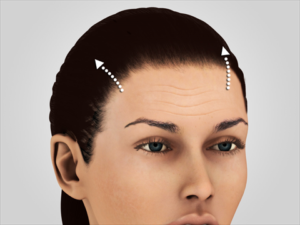 The following conditions could indicate that a brow lift surgery is right for you:
- Have a low or sagging forehead (a sad or tired appearance)
- Have deep horizontal creases across the forehead
- Have deep frown lines, or furrows, between the eyebrows
- Have other signs of aging in the brow region.
A brow lift can be done in combination with other facial cosmetic procedures, such as eyelid surgery or a facelift to give a more balanced, natural rejuvenation to treat the surface of the skin.
If you would like to read more around the detail on the procedures you can do so below however all the options will be discussed with you in your consultation.
Brow Lift Options
There are two primary types of brow lift procedures, the coronal (or open) brow lift, and the endoscopic brow lift. During the brow lift consultation, we will go over the options with you and recommend which type of brow lift is the best option for you depending on your individual goals and needs.
Many people who have extensive drooping in the brow and the upper eyelid prefer the coronal brow lift. This allows for a better lift and wrinkle treatment.
The coronal brow lift incision is designed so the scars are inconspicuous or hidden behind the hairline when healed. However, due to the larger size of the incision there is often a longer recovery time associated with the coronal brow lift.
The endoscopic brow lift is a less invasive alternative to the open brow lift. This technique is often preferred for people who suffer from mild drooping and wrinkling in the brow area to create a more youthful looking appearance to the upper face.
What to expect
A brow lift procedure can last about two hours. After a brow lift, your forehead will be wrapped loosely in bandages that provide gentle pressure to minimize swelling and bruising. Following surgery a small, thin tube may be temporarily placed under the skin to drain any excess blood or fluid that may collect. Any bandages and drain tubes will usually be removed in one or two days, and most stitches are removed during within a week of the surgery. Once the dressings and drains are removed, puffiness and discoloration may be more pronounced in some portions of the forehead than others. Any unevenness or temporary asymmetry caused by this variance in swelling and bruising-it is normal. A majority of swelling usually occurs in the first 24 to 48 hours and might distort your upper facial features or stiffen your brow movements. Keeping your head elevated at least 45 degrees during rest is extremely helpful in reducing the initial post-operative swelling. You can expect the majority of the bruising and swelling to subside after about two weeks. You may also experience numbness to the brow and/or forehead, which usually resolves itself within several months. Medication will be prescribed to help control the pain as needed. Straining, bending, and lifting should be avoided during the early post-operative period to reduce exposing your incisions to excessive pressure or motion. This includes heavy work, aerobics, running or weight lifting, and sex for at least 2-3 weeks. Walking and mild stretching are fine. Additionally, do not wear clothing that needs to be placed over your head. Generally, scars from the incisions for both brow lift methods are hidden within your hair. Scars will remain pink for a few months and will fade over the next 6 months. Concealing makeup is usually permitted after the first week. Since the healing process is gradual, you should expect to wait at least several months to realize the full benefits of the brow lift. Although a brow lift will last for many years, you will continue to age at a normal rate and your brow may begin to signs of aging again. However, You will continue to look younger than you would if the brow lift procedure had not been performed.
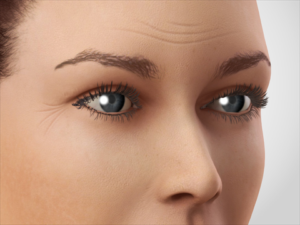 BROW LIFT RISKS:
Each year thousands of women and men undergo successful brow lift procedures, experience no major problems and are happy with the results. Significant complications from a brow lift are infrequent. However, make sure you understand what surgery involves, including possible risks, complications and follow-up care. A brow lift poses various risks, including:
- Excess scarring.
- Facial asymmetry.
- Temporary or permanent hair loss near the incision.
- An accumulation of blood under the skin.(haematoma).
- Changes in skin sensation in your brow and/or forehead area for a few months up to two years.
- Forehead nerve damage which can result in loss of the ability to feel or raise eyebrow and/forehead area.
- The need for revision surgery to correct rare complications of the brow lift surgery. Like any major surgery, a brow lift poses a risk of bleeding, infection and an adverse reaction to anesthesia. It’s also possible to have an allergic reaction to the surgical tape or other materials used during or after the procedure.
You can help minimize certain risks by following the advice and instructions of your surgeon, both before and after your brow lift surgery. If you have any concerns about the risks involved with a brow lift surgery, please do not hesitate to contact us.