There are many treatments available to that target the visible signs of aging. Everyone requires a personalized package the is suitable for their needs, problem areas and pocket. These packages consist of various techniques that are non invasive and do not require a long recovery time.

We make use of a number of different treatments for anti-aging – selecting the best course of action after understanding your medical history and any allergies that you have.

Skin Treatments

There are various options around rejuvenating your skin with treatments depending on your needs. Scarring, sun damage, collagen reduction, fine lines and skin texture can all be treated with the various options available to us. During your consultation your unique needs will be considered and the correct treatments selected from our range of Skin Boosters Micro Needling and Chemical Peels.

These treat are applied directly to areas of concern and range from completely non invasive to mild skin penetration.

You can achieve a youthful look with these simple treatments that require minimal downtime.

Facial Aesthetic Treatments

For the effective treatment of wrinkles and frown lines Botox (Anti-Aging Injectable) is often used. Our team believes that the effect should not take away your natural expressions and that the face should be treated as a whole. To supplement reduced collagen Fillers are used to reduce the effect of skin sagging and to add facial definition. These treatments do not require any downtime and can be done during a standard consultation time.


Hair Revitalization

Male pattern baldness and thinning of hair can now be treated with great results which not only improves the look of youthfulness but never ceases to increase confidence and reduce stress. During your consultation we will discuss and select the best treatment options for you from our Hair Filler and Threads treatment options.

DERMAL FILLERS : NATURAL-LOOKING, LONG-LASTING*, RESULTS FOR MEN

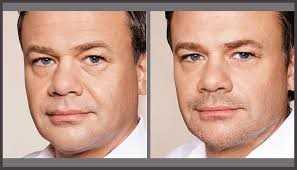
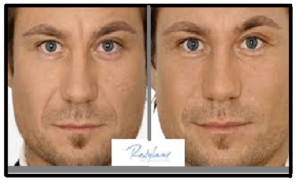
Dermal fillers are used to add volume and fullness to the skin to correct moderate to severe facial wrinkles and folds, such as the lines from your nose to the corners of your mouth (nasolabial folds), frown lines (forehead) and glabella (mid forehead). These lines are most often caused by the natural decay of collagen that occurs during natural aging. By adding fullness and definition to lips your natural youthful self can be revealed once again.


Fillers work immediately by adding volume to smooth away wrinkles.  They can also be used to correct minor imperfections or improve chin profile and jaw definition. They usually consist of hyaluronic acid (non permanent) which is a basic building block of collagen.

Fillers have been shown to last between 6 – 18 months in laugh lines with one follow-up treatment.

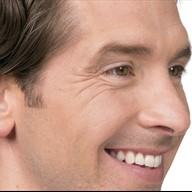
Mouth line (Nasoabial) Treatment


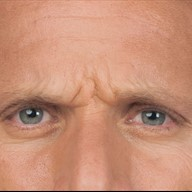
Forehead lines (Glabella) Treatment


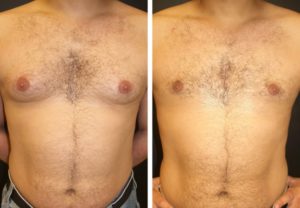
GYNAECOMASTIA

Chest Treatments

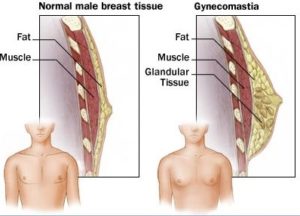
Gynaecomastia is a common medical condition in which a man’s breasts become enlarged or over-developed. It is characterized by an excess of glandular tissue development, excess fat, and/or skin in one or both breasts. Although there is no precise cause known for this condition, there are many factors that potentially contribute to this condition, including:

  • Weight loss or gain
  • Hormonal changes
  • Heredity
  • Use of prescription drugs
  • Liver malfunction
  • Anabolic steroid use

For the majority of men, diet and exercise are not effective treatments for Gynecomastia. Those living with Gynaecomastia often suffer from low self-esteem and feelings of discomfort and embarrassment during certain social and intimate activities.

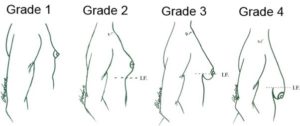
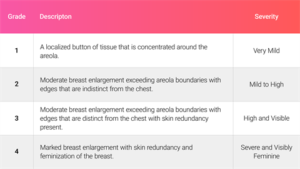
The American Society of Plastic Surgeons has classified gynaecomastia into 4 different grades based on the following criteria:

  • Size of breast tissue development
  • Severity of the condition
  • Feminization of the breast

GYNAECOMASTIA GRADES

THE SURGERY

Male breast reduction surgery, reduces breast size by removing the excess fat, glandular tissue, and/or skin. Surgery results in a flatter, more defined chest and restores a more masculine chest contour. The procedure to correct gynecomastia is highly individualized to each patient. In some cases, breast enlargement is simply due to excess fat that is localized directly under or near the areola. For these patients, a natural chest contour can be restored through liposuction only. For others, breast enlargement can be the result of a combination of glandular tissue development, excess fat and excess skin. While liposuction may still be used, excision of any residual glandular material and/or skin is required. The incision required for this additional step can be well-hidden within the pigmented skin of the areola.

AM I A CANDIDATE FOR SURGICAL CORRECTION?

Dr Schroder can help determine if surgery is right for you, but generally good candidates are:

  • Men whose condition cannot be corrected through alternative medical treatments
  • Healthy individuals who do not have a life-threatening illness or medical conditions that can

impair healing

  • Non-smokers and non-drug users
  • Men with a positive outlook and realistic goals in mind
  • Men who have relatively stable weight
  • Men who are bothered by the feeling that their breasts are too large
  • Men whose breast development has stabilized

SURGERY RISKS

Each year thousands of men undergo successful male breast reduction surgery, experience no major problems and are happy with the results.  Significant complications from male breast reduction are infrequent.  However, make sure that you understand what surgery involves, including possible risks, complications and follow-up care.  Breast reduction surgery poses various risks, including:

  • Diminished sensitivity or permanent loss of sensation in the nipples or areas of breast skin
  • Anaesthesia risks
  • Breast asymmetry
  • Bleeding
  • Poor wound healing
  • Irregularities or asymmetry in the breast / chest shape or contour
  • Blood clots
  • Possible need for revisional surgery

Like any major surgery, a breast reduction surgery poses a risk of bleeding, infection and an adverse reaction to anaesthesia.  It’s also possible to have an allergic reaction to the surgical tape or other materials used during or after the procedure.

You can help minimize certain risks by following the advice and instructions of your surgeon, both before and after your procedure.  If you have any concerns about the risks involved, please consult with Dr Schroder.

RESULTS & RECOVERY

Just as the procedure itself is highly individualized to each patient, so are the results and recovery times associated with male breast reduction.  Most men will notice a significant change immediately following surgery.  However, the full extent of these changes will gradually become visible as the body heals.  Patients may need to wear a compression garment under their clothing for a few weeks following the procedure.  Most patients can return to work within one week.  Those patients with more physically demanding jobs may need to wait longer.  Also, strenuous exercise should be avoided for three to six weeks following the procedure.  Ask Dr Schroder about typical results and recovery times for your individual case.


EYELID SURGERY (BLEPHAROPLASTY):


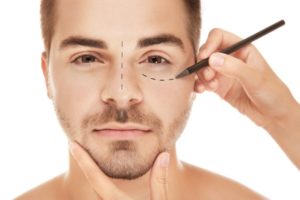
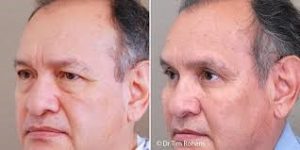
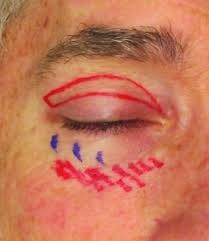
Eyelid surgery, also known as blepharoplasty, improves the appearance of the upper eyelids, lower eyelids, or both. It gives a rejuvenated appearance to the surrounding area of your eyes, making you look more rested and alert. Blepharoplasty includes repairing droopy eyelids by removing excess skin, muscle and fat. As you age, your eyelids stretch, and the muscles supporting them weaken. As a result, excess fat may gather above and below your eyelids, causing sagging eyebrows, drooping upper lids and bags under your eyes. Besides making you look older, severely sagging skin around your eyes can impair your peripheral or side vision. Blepharoplasty can reduce or eliminate such impaired vision. To help decide if blepharoplasty is right for you, find out what results you can realistically expect and take time to explore the benefits and risks of the procedure.

EYELID SURGERY (BLEPHAROPLASTY) CONSIDERATIONS:

A blepharoplasty procedure is usually performed on adult men and women who have healthy facial tissue and muscles and who also have realistic goals for improvement of the upper and/or lower eyelids and surrounding area. The following conditions could indicate that eyelid surgery is right for you:

  • Baggy or puffy upper eyelids.
  • Excess skin obscuring the upper eyelid fold.
  • Extensive drooping of the upper eyelid.
  • Droopy lower eyelids that may cause white of the eye to show below the iris.
  • Excess skin and fat pockets below the eyelids.
  • Hollows or “dark circles” around the lower eyelids.
  • Asian patients who want a defined upper or “double” eyelid crease.


You should only undergo blepharoplasty surgery for yourself. Do not proceed with this surgery to fulfil someone else’s desires or to try to fit an ideal image.

EYELID SURGERY OPTIONS:

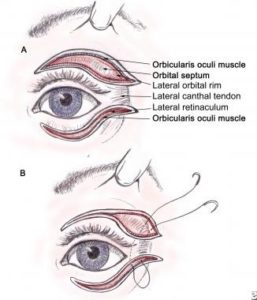
There are two types of blepharoplasty available: Lower lid and upper lid. Depending on the patient’s needs, these procedures can be performed separately or together. In upper eyelid surgery, the surgeon first marks the individual lines and creases of the lids in order to keep the scars as invisible as possible along these natural folds. The incision is made, and excess fat is removed or repositioned, and then the loose muscle and skin are removed. Fine sutures are used to close the incisions, thereby minimizing the visibility of any scar.

In lower eyelid surgery, the surgeon makes the incision in an inconspicuous site under the lash line and smile creases of the lower lid. Excess fat, muscle, and skin are then trimmed away before the incision is closed with fine sutures. Eyelid puffiness caused primarily by excess fat may be corrected by a transconjunctival blepharoplasty. The incision in this case is made inside the lower eyelid, and excess fatty material is removed.


EYELID SURGERY – WHAT TO EXPECT:

Blepharoplasty can be done in an outpatient or an in-patient setting after administering local anaesthesia. Dr Schroder injects numbing medication into your eyelids and administers intravenous (IV)  or oral medication to help you relax. This may make you slightly groggy. If you have surgery on your upper and lower eyelids, the surgeon generally works on your upper lids first. The surgeon makes an incision along the natural fold of the upper eyelid. Then excess skin and some muscle and fat beneath the skin are removed. The incision is closed with tiny stitches that leave a nearly invisible scar. Sometimes surgical tape or skin adhesives are used instead.


The incision on the lower lid is made just below the lashes in your eye’s natural crease or inside the lower lid. Dr Schroder removes or redistributes excess fat, muscle and sagging skin. Depending on where the initial incisions are made, stitches may follow the lower lid’s natural crease or be placed inside the lower eyelid. Blepharoplasty usually takes less than two hours, depending on the amount and location of tissue being removed. Afterward you spend time in a recovery room, where you are monitored for complications. You can leave later that day to recuperate at home.

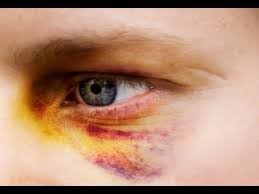
After blepharoplasty a lubricating ointment will be applied to your eyes to protect them and prevent dryness. The ointment may cause temporary blurred vision. You may also experience excessive tearing, light sensitivity and double vision just after the surgery. Your incisions will be red and visible at first, and your eyelids may be puffy and feel numb for several days. Swelling and bruising, similar to having “black eyes,” will likely last a week or more. Ice packs or cold compresses applied to your eyes can help reduce swelling.


 If stitches were used, they’ll be removed after 5-7 days. Pain is usually minimal. You may be given a pain reliever, such as Mypaid Forte, for mild discomfort, but remember to avoid aspirin, ibuprofen (Advil, Motrin, others), and any other medications or herbal supplements that may increase bleeding. With upper lid eyelid surgery, the lifting of the skin over the eye will make your eye appear rounder and more alert than it was before the procedure, but the procedure should not significantly affect the natural shape of your eyes. Blepharoplasty will usually last for years. However, the aging process will eventually render additional procedures necessary in order to maintain results.

EYELID SURGERY RISKS:

Each year thousands of men undergo successful eyelid surgery (blepharoplasty) procedures, experience no major problems and are happy with the results. Significant complications from eyelid surgery are infrequent. However, make sure you understand what surgery involves, including possible risks, complications and follow-up care. Eyelid surgery poses various risks, including:

  • Temporary numbness of the eyelid skin
  • Temporary vision changes or blurriness
  • Dry and/or irritated eyes
  • Persistent fat or loose skin and muscle
  • Impaired eyelid function
  • Infrequent visual changes or loss

Like any major surgery, a blepharoplasty poses a risk of bleeding, infection and an adverse reaction to anaesthesia. It’s also possible to have an allergic reaction to the surgical tape or other materials used during or after the procedure. You can help minimize certain risks by following the advice and instructions of Dr Schroder, both before and after your eyelid surgery. If you have any concerns about the risks involved with eyelid surgery, please discus these with him.

LIPOSUCTION FOR MEN

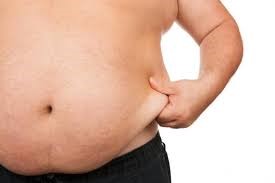
The ideal male body shape is considered to be trim and athletic-looking, with broad shoulders and chest, a flat abdomen and a narrow hip-thigh area. However, as men age, areas of fat tend to accumulate around the abdomen, the flanks (“love handles”), the breast area (a condition called gynaecomastia) and along the chin and neck. Men sometimes seek liposuction to remove these fatty areas that are resistant to diet and exercise.
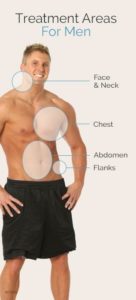
In many cases, liposuction alone can effectively correct these problem areas. Men retain their skin elasticity longer than women do, and the areas of fat beneath the skin tend to be firmer and more vascular than those in women. Because of these and other factors, liposuction in men is usually very effective.

Men who have some loose, hanging skin, as well as areas of excess fat, may opt for a traditional excision procedure (surgical skin removal) in addition to liposuction. An excision may also be performed on gynaecomastia patients whose breast enlargement results in excess skin.

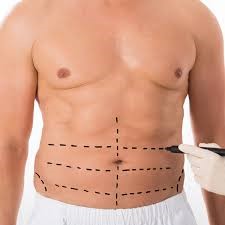
Liposuction is a procedure in which very specific areas of unwanted fat between the skin and muscle for removal. Sculpting and contouring the patient’s body creates slimmer and more ideal shapes and contours.  Liposuction is primarily used to eliminate stubborn areas of fat that have been resistant to diet and exercise, and areas of fat that have accumulated simply due to the aging process.  Liposuction surgery can be performed alone or in conjunction with an open procedure to contour the overlying skin. Most liposuction procedures involve making a small puncture in the skin and then utilizing various modalities to loosen the fat prior to suctioning the fat through a small metal tube (cannula) and a suction device.

LIPOSUCTION CONSIDERATIONS:

Liposuction is about shaping the body, not about weight loss. Liposuction is not meant for individuals with notable weight issues. The results are best when you are near your ideal weight. Diet and exercise should be emphasized before proceeding with these types of procedures. The following conditions could indicate that liposuction is right for you:

  • Have areas of fat deposits that are out of proportion with the rest of your body and have not

responded to persistent diet and exercise

  • Do not have a lot of excess skin and the area is firm (your skin elasticity is good)
  • Would like more definition (toning) in certain areas of your body, a sleeker contour, or more athletic

appearance.

You will be individually assessed during your liposuction consultation with Dr Schroder to determine if you are healthy enough to undergo surgery and if liposuction will need to be performed in conjunction with another procedure to contour the skin. Liposuction is often used to remove excess fat cells from many areas of the body, including the abdomen, flanks, chest, neck, and chin.
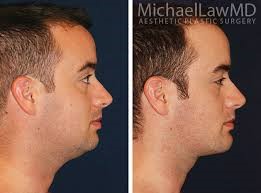
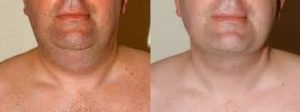
SUB MENTUM

LIPOSUCTION OPTIONS:

There are various technologies used for liposuction to make the fat removal process less invasive, more predictable and safer. Some of the more common forms of technologies and techniques that your surgeon may recommend may include:

  • Tumescent liposuction is where a solution of saline, local anaesthesia, and adrenaline is injected into the fatty area of fat to be removed. This causes blood vessels to constrict and the fatty area to swell allowing the surgeon to effectively target the area to be treated. Most surgeons will use this in combination with other liposuction techniques to reduce post-surgical pain and bleeding.
  • Suction-assisted liposuction (SAL) technology is the traditional form of liposuction and involves the removal of fat with a high-powered vacuum. • Power assisted liposuction (PAL) is a technology in which the tip of the suction tube vibrates at a rapid speed. This vibration loosens the fat cells during liposuction so that they may be suctioned away gently with less trauma to the surrounding tissues. PAL is performed using the tumescent technique.

LIPOSUCTION – WHAT TO EXPECT:

Recovery from liposuction can vary with each person. Pain is mild to moderate. A dressing will be applied to the treated area. In some cases, small drainage tubes may be placed in incisions to allow excess fluid to drain from the body. When surgery is completed, you will be taken into a recovery area where you will continue to be closely monitored. You will most likely be wearing a compression garment, usually used to help support and “shrink” the skin. Compression garments are typically worn for 6 weeks 24 hours a day  (some patients may choose to wear them longer).
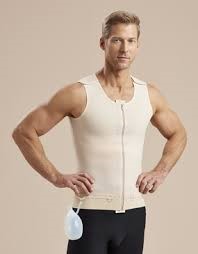
During the first 48 hours following surgery, patients experience varying degrees of swelling. Bruising typically disappears within seven to ten days. Swelling may persist for several months after surgery. Stitches and drains will be removed within the first 10 – 14 days after the procedure. Pain medication and antibiotics may be prescribed to help alleviate discomfort and reduce the risk of infection.

Straining, bending over and lifting should be avoided during the early postoperative period. In many instances, you will be able to resume most of your normal activities within ten days or less. Return to work, depending on the job duties, can be as early as 7 to 8 days after surgery if needed. Since the healing process is gradual, you should expect to wait at least several months to get an accurate picture of the results of your surgery.

Usually 90% of the healing will be completed at 1 month after surgery and the final results are seen after 6 months. The small incisions used for access of the cannula will fade over a number of months, usually becoming barely visible.

The results of liposuction surgery are technically permanent because the fat cells have been removed. However, your body shape and contours might be affected by weight gain, aging, pregnancy, family genetics, and lifestyle factors. It is crucial to maintain healthy habits and a stable weight to prolong the results from liposuction. Your exercise routines can usually begin 2 weeks after surgery.
LIPOSUCTION RISKS:

Each year thousands of men undergo successful liposuction procedures, experience no major problems and are happy with the results. Significant complications from Liposuction are infrequent. However, make sure you understand what surgery involves, including possible risks, complications and follow-up care. Liposuction poses various risks, including:


  • Hematoma (an accumulation of blood under the skin that may require removal)
  • Sensation changes
  • Scarring
  • Possible need for revisions or additional procedures Other rare side effects can include uneven contours, rippling skin and scarring.

Like any major surgery, liposuction poses a risk of bleeding, infection and an adverse reaction to anaesthesia. It is also possible to have an allergic reaction to the surgical tape or other materials used during or after the procedure. You can help minimize certain risks by following the advice and instructions of your surgeon, both before and after your liposuction surgery. If you have any concerns about the risks involved with liposuction surgery, please consult with Dr Schroder

MALE ABDOMINOPLASTY / REDUCTION

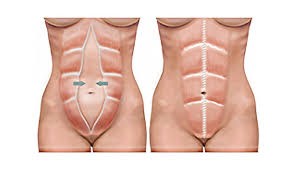
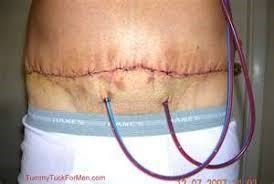
A full abdominoplasty (or “tummy tuck”) may performed on men who have hanging abdominal skin (usually the result of massive weight loss), loose abdominal muscles and / or neglected hernias. It is a major surgical procedure that removes excess fat, tightens the muscles of the abdominal wall and trims the waistline. Men who have a full abdominoplasty are often surprised at the long recovery period. Some men are not able to return to work up to 4-6 weeks after surgery.

Men with good skin elasticity who have only a moderate amount of excess abdominal fat may benefit from liposuction alone.

During the procedure, an incision will be made in the lower abdominal region, allowing Dr Schroder to access and repair the muscles that comprise the abdominal wall and remove excess fat, tissue, and skin. Depending on the individual patient, a vertical incision may be necessary to excise fat and skin in the upper portion of the stomach. Liposuction may be utilized to remove excess fat during a tummy tuck.

TUMMY TUCK CONSIDERATIONS:

During your consultation with Dr Schroder, you will be asked about the desired results you are looking to achieve. If you plan to lose weight, you should discuss this with Dr Schroder. Abdominoplasty is designed primarily for men who are mostly satisfied with their weight, but who have excess skin and loose muscle around their midsections. The following conditions could indicate that a tummy tuck is right for you:
  • Tightening excess skin to eliminate loose and sagging skin.
  • Tightening the underlying abdominal muscles to create a firmer abdominal wall.
  • Removing excess fat to eliminate a protruding tummy.
  • Maintaining a stable weight.

You should not undergo a tummy tuck as a substitute for weight loss or as a method for removing stretch marks.


TUMMY TUCK – WHAT TO EXPECT: 

A Tummy tuck will not be performed on an outpatient basis. Dr Schroder will keep you in hospital for three days. Be sure to arrange for someone to drive you home after surgery and to stay with you for at least the next day or two. When tummy tuck surgery is performed in conjunction with medically necessary procedures such as hernia repair, a longer hospitalization may be required. Medications are administered for your comfort during the surgical procedure. A general anaesthetic is administered so that you will be asleep throughout the procedure. When surgery is completed, you will be taken into a recovery area where you will continue to be closely monitored. In many instances, small drain tubes will have been placed within the abdominal tissues to help avoid accumulation of fluids. Gauze or other dressings may be applied to your abdomen and covered with tape or an elastic bandage.
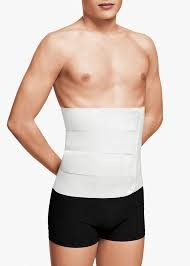
You will be encouraged to go for short walks to promote blood circulation the day after surgery. Try not to sit for long periods of time during the first several days and avoid straining, bending and lifting. Dr Schroder will instruct you to sleep on your back with a pillow under your knees. Within a week of surgery, any surgical drains will probably be removed. You will be required to wear a support garment for 6 weeks following your surgery. Stitches will be removed in two weeks. Bruising and some of the swelling will occur and disappear over a period of weeks. The swelling may take months to subside before you will see the final results of your tummy tuck. Even though the incisions from the procedure will heal and fade over time, it’s important to know that the incision lines will be permanently visible. Fortunately, most bathing suits and undergarments usually conceal the incisions for your tummy tuck.
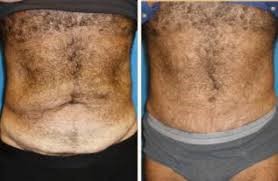
You may be able to resume most of your normal activities anywhere from 2 to 3 weeks after surgery. Some mild, periodic discomfort may occur, however, if you experience any severe pains you, they should be reported to your doctor. Dr Schroder and his team will advise you on the scar management to ensure the best possible outcome

TUMMY TUCK RISKS:

Each year thousands of men undergo successful tummy tuck (abdominoplasty) procedures, experience no major problems and are happy with the results. Significant complications from a tummy tuck are infrequent. However, make sure you understand what surgery involves, including possible risks, complications and follow-up care. A tummy tuck poses various risks, including:

  • Pain, swelling, and bruising during the first few weeks after surgery
  • Visible scarring at the points of incision
  • Excess scaring
  • Uneven contours may occur in spite of efforts to balance skin and fat removal
  • Rippling of the skin
  • Fluid accumulation beneath the skin (seroma).
  • Skin loss (tissue necrosis)
  • Changes skin sensation
  • Nerve damage

Like any major surgery, a tummy tuck poses a risk of bleeding, infection and an adverse reaction to anaesthesia. It’s also possible to have an allergic reaction to the surgical tape or other materials used during or after the procedure. You can help minimize certain risks by following the advice and instructions of your surgeon, both before and after your tummy tuck surgery. If you have any concerns about the risks involved with tummy tuck surgery, please consult with Dr Schroder.